Meet our most expressive model yet: Cara-4
Updated September 1, 2026 to reflect Anam’s current uptime SLA.
Today we’re releasing cara-4. It’s our most controllable model yet, with more natural expression, higher-resolution video, Director Notes for shaping each performance and support for a much wider range of avatar styles.
Cara-3 made a meaningful step forward in lip sync, eye movement and head motion. Cara-4 goes further. The model is more expressive, produces higher-resolution video in multiple aspect ratios, handles a wider range of custom avatar images and dynamically generates idling movement. More importantly, it gives builders control over how an avatar performs a conversation, and lets that performance change as the conversation does. A feature we’re calling Director Notes.
A face that keeps up with the conversation
The right performance depends on the job. A distressed patient should not behave like a self-assured sales coach. An angry customer needs a different presence from a supportive therapist or a warm language tutor.
Director Notes, launching in beta with Cara-4, lets you set that direction. Choose a preset style such as warm, supportive, angry or distressed, or write a short custom prompt such as:
Keep steady eye contact. Stay composed and attentive. Use restrained movement, as if coaching someone through a difficult conversation.
The Expressivity control then determines how strongly Cara-4 follows that direction. Turn it down for a steady, understated performance or up when the situation calls for more energy.
But real conversations do not stay in one emotional register, so we’ve made Director Notes dynamic. During a session, the LLM can add performance cues as it streams the spoken response, shifting the avatar from curious to concerned to warm within a single turn.
We still have a long way to go: prompt adherence is not yet where we want it, and Cara-4 cannot deliver the full range of gestures and actions a developer might want to direct, such as typing on a keyboard while looking something up. But this is the first step towards giving builders full control over how their avatar performs.
Built for the screens people use
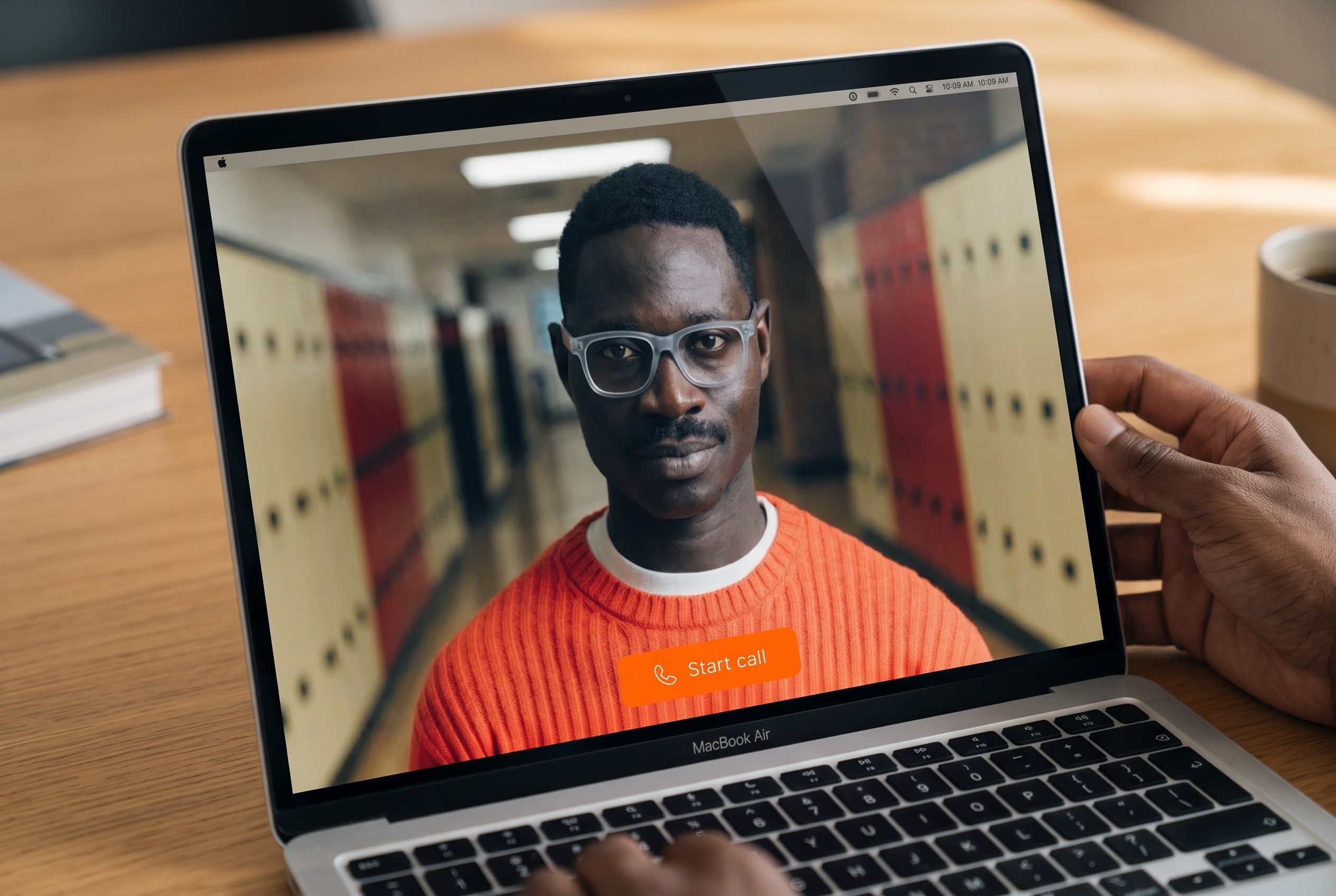
Cara-4 renders natively in both landscape and portrait: 1152×768 or 768×1152. That’s ~2.5 times the pixels of Cara-3, but the more important change is portrait being a first-class output.
On a phone, we no longer need to render a landscape frame and discard the sides. The model spends its pixel budget on the part of the screen the user can see. Our longer-term goal is arbitrary output sizes within a compute budget, so builders can optimise the experience for a phone, an iPad or a layout we haven’t anticipated.

More ways to look like yourself
Custom avatars no longer need to come from a conventional photo. Cara-4 can animate a wider range of images, including animated 3D characters or anime.
This matters for products with a visual world of their own. The face of an agent can now feel native to a learning app or consumer brand rather than looking pasted in from somewhere else.

Built for production
In production, quality is only part of the job. An avatar also needs to start quickly, respond consistently and remain economical at meaningful volume.
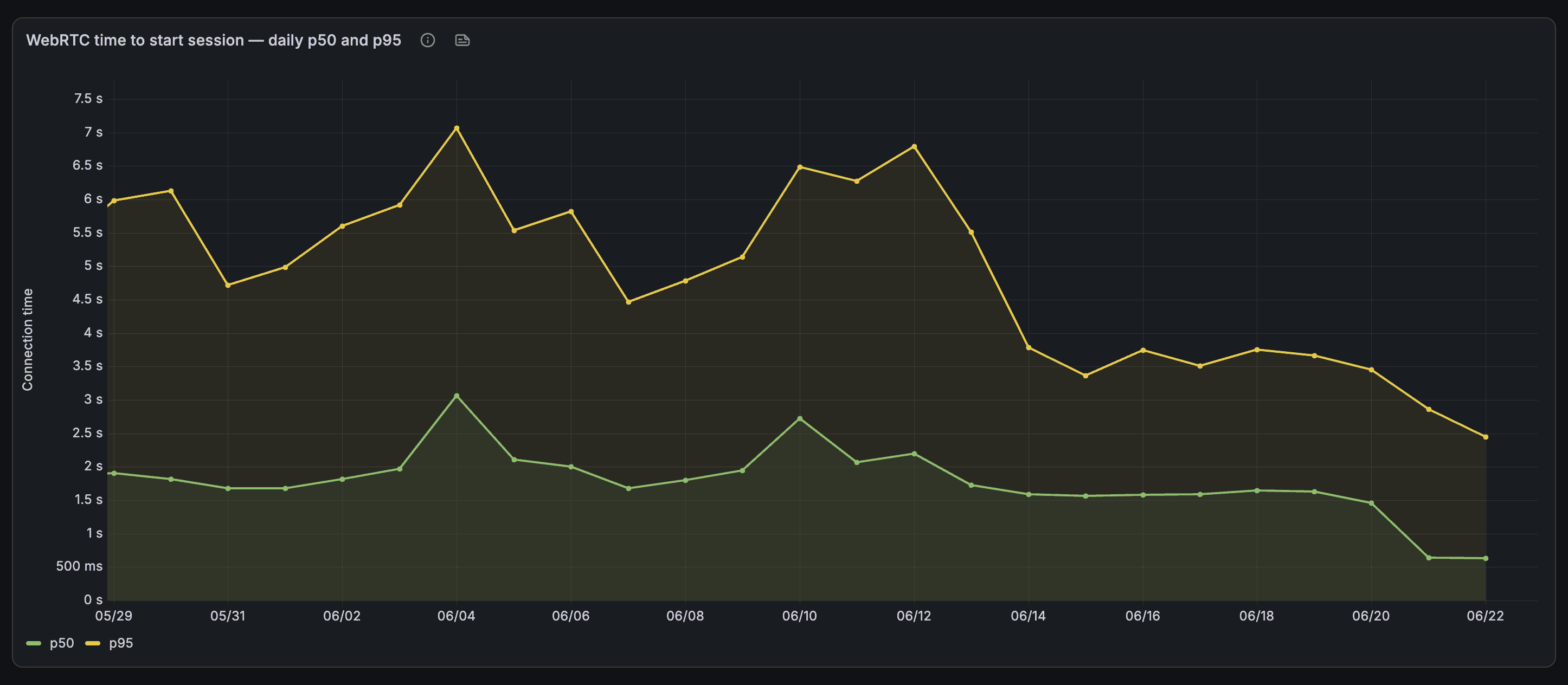
For recent traffic, our p50 connection time is now under one second and p95 under three. Once a session is running, server-side avatar-generation latency averages ~150 ms. Cara 4 is ready for production at scale, backed by a 99.9% uptime SLA and SOC 2 compliance. Enterprise customers can also choose zero data retention and regional data residency options.
Cara-4 comes with improvements to model architecture, inference performance and hardware utilisation which have reduces the GPU cost of high-volume deployment. We are passing these savings onto customers, opening up new avatar use-cases previously difficult to justify.
What comes next
We have already started work towards Cara-5: more expressive, more controllable, higher fidelity, lower latency and cheaper to run.
Our aim is for Anam to continue being the clear choice for real-time avatars without asking builders to trade quality against speed, flexibility or price.
Cara-4 is available now in Anam Lab and through the API with avatarModel: "cara-4". You can also invite your avatar to a Zoom, Microsoft Teams or Google Meet call with a click. Read the model guide, explore Director Notes, or start building in Anam Lab.
Explore more articles


© 2026 Anam Labs
SOC 2 Type II report · HIPAA-aligned controls.