HeyGen API: Features, Use Cases & Integration Guide
Video content is reshaping every corner of the internet, and big enterprises are turning to AI solutions like HeyGen to enhance multiple verticals. Many of these solutions pair avatars with compelling narratives for stakeholders and potential customers.
However, the reality is that as expectations evolve, so do the needs of developers. Video generation isn’t enough anymore; digital content won’t be pre-rendered avatars reading a script. Real-time interaction will become the standard.
Developers today want APIs that can bring human expression into live, dynamic experiences: think video interfaces that talk back, customer support personas that respond instantly, and sales avatars that feel genuinely present. This guide is here to help you make better, informed choices on which AI video agent platform works best for you.
What Is HeyGen?
HeyGen is an AI video generation platform built to simplify content creation. It lets users write a script, select an avatar, choose a voice, and then generate videos en masse. For marketers and content creators, this can save a lot of time. For developers, it provides programmatic access to an AI video engine that can generate templated content at scale.
Despite its impressive video quality, HeyGen is limited in real-time expressivity. This platform is ideal for producing marketing videos, product explainers, and generic content directly within your tech stack.
What is the HeyGen API?
The HeyGen API brings the platform’s features to developers who want to automate video creation inside their app. Implement your script, choose your avatar and voice, and HeyGen renders the result asynchronously.
Broken down into four steps:
Submit a Script: Input what you want spoken.
Select Avatar & Voice: Choose from a fixed library of AI avatars and TTS voices.
Generate Video: HeyGen’s API processes the request and creates the video file.
Retrieval: Once complete, you receive a URL or file for playback within your platform.
HeyGen API: Key Features
AI Avatars: Digital personas for video narration.
Multilingual Text-to-Speech: Converts text into spoken audio in several languages.
Customizable Voices: Control over tone and pitch, and other customization.
Templates: Video layouts for specific industries or use cases.
Batch Generation: Produce multiple videos programmatically.
HeyGen API Use Cases
Several industries use HeyGen's API, including use cases for marketing campaigns, automating customer service, L&D materials, and enhancing e-commerce platforms with product overviews and demos.
Pros and Cons of HeyGen API
Pros:
Fast content generation for scripted videos.
Multi-language voice support.
Easy to start for marketing teams with little-to-no-code workflows.
Cons:
Rigid integration: HeyGen API isn’t designed for flexible runtime configurations.
Limited customization: Brand-specific voice or avatar creation options are restrictive.
Synthetic sound quality: Voices can feel robotic or emotionless.
If you just need to mass-produce templated videos, HeyGen works. But if your goal is to create emotive, responsive, real-time experiences, you’ll need more than a text-to-video generator.
Introducing Anam: From Scripted Videos to Real-Time Personas
Anam is a real-time AI video agent platform, a developer-first system that turns AI avatars into interactive digital humans. The end goal: to have natural, face-to-face conversations.
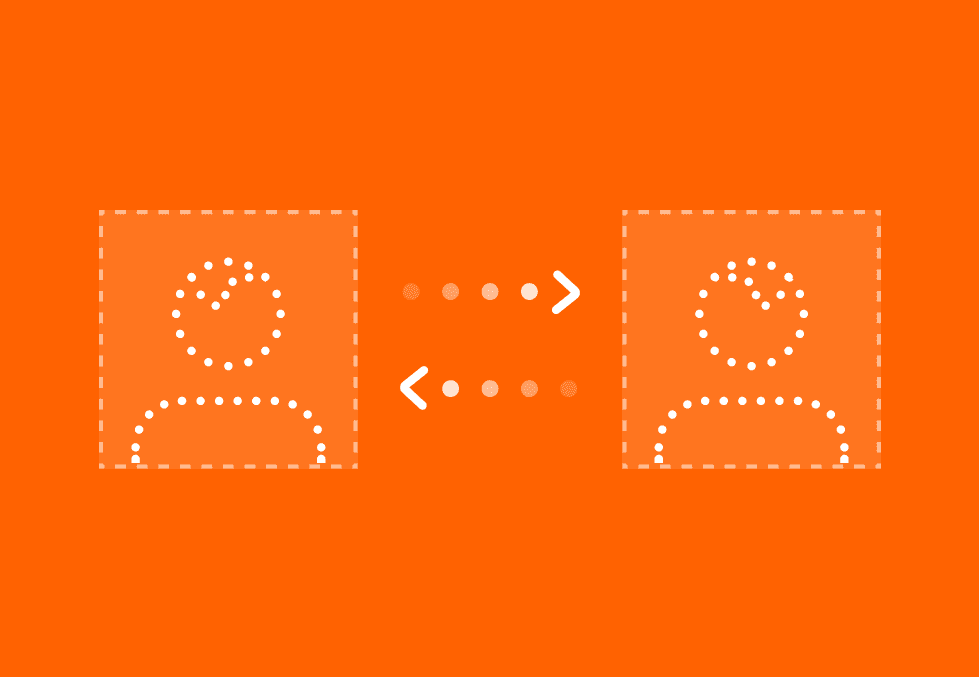
Instead of rendering a video after you upload a script, Anam connects your chosen persona directly to your user through live WebRTC streaming. The avatar listens, processes speech through an integrated LLM (one from Anam’s library or your own custom model), and responds instantly with synchronized facial expressions, tone, and emotion.
Put simply: HeyGen delivers automation. Anam delivers presence.
How the Anam API Works
Anam’s API is designed with developers in mind. Using the Anam JavaScript SDK, you can stand up a working persona in 5 minutes. Here’s what that looks like:
Generate a Session Token: Authenticate securely via your server and define the persona configuration (e.g., avatar, voice, LLM, and system prompt).
Initialize the Client: Connect the session to a video element in your web app.
Stream: The avatar appears, listens, and responds in real time.
Anam is a clean, flexible system built for modern stacks. Devs can define everything at runtime, making it easy to personalize each session on the go without rebuilding, reconfiguring, or retraining anything.
What The Anam Difference Means
Real-Time, Human-Grade AI Avatars
Anam personas don’t “generate” videos. They’re live performers, your application is their stage. Each persona listens, thinks, and replies using speech synthesis and facial animation that sync in real time. The result is not a rendered clip; it’s an interaction with a live application.
Anam is ideal for many use cases, seeing substantial growth in interactive customer support, AI sales assistants, coaching interfaces, and L&D companions. Anam avatars are known for responding emotively, instantly, and, above all, naturally.
Sub-Second Latency
The system’s average response time is under 400 milliseconds, the average length between responses in a conversation between people (i.e., natural, two-way dialogue).
You can thank Anam’s proprietary real-time infrastructure, built specifically for low-latency video streaming and fast LLM inference — just instant, expressive feedback.
Developer-First Flexibility
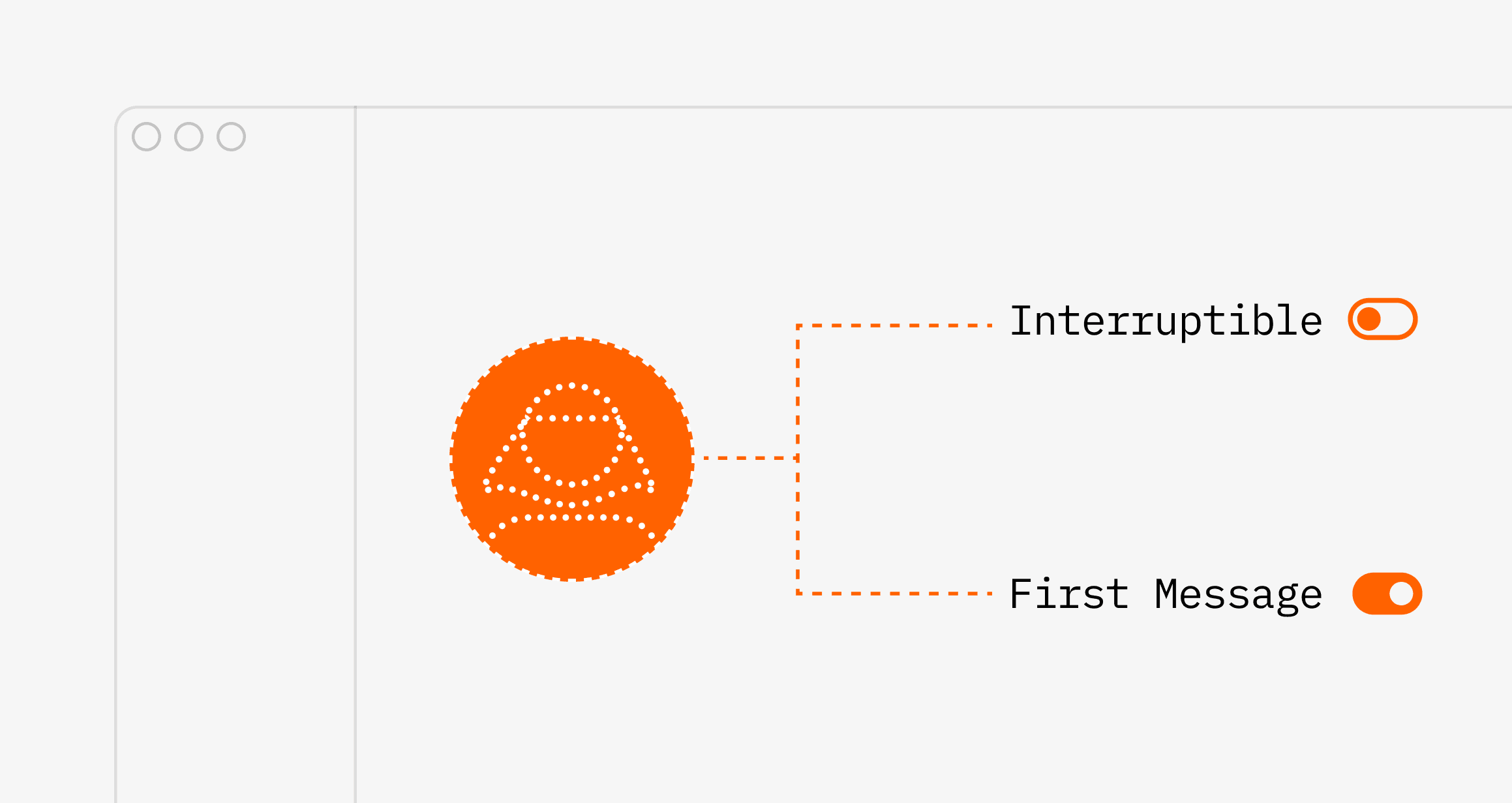
The Anam SDK gives developers full control over the persona experience. Configure avatar and voice IDs, swap out LLMs, or modify system prompts directly in the API call. You want to integrate your company’s branded model or a private GPT instance? Just connect via webhook.
Emotive, Visual Realism
Each persona draws from the Anam Avatar Gallery: a curated library of photorealistic digital humans. Paired with voices from the Voice Gallery, these avatars express subtle emotion through micro-movements, tone variation, and eye-tracking realism.
This expressiveness and range reflect Anam’s brand ethos. Deep focus, or total attention to realism, emotion, and human nuance. Not to replace people, but to make their lives and jobs easier.
Multi-LLM Compatibility
Unlike most video generation tools that lock you into one AI model, Anam supports custom LLM integration. Developers can plug in OpenAI, Anthropic, Gemini, or their proprietary models via API.
That means you control the intelligence, tone, and behavior, while Anam handles the avatar layer.
Built with Compliance and Security in Mind
Anam doesn’t store or retain conversation data, keeping integrations lightweight and secure. The platform’s session-token model ensures API keys remain secure by generating temporary tokens server-side. This architecture lets developers manage personalized experiences without exposing private credentials, making it ideal for enterprises, transparency, and customer well-being.
Use Cases: Building with Anam API
Anam isn’t just a tool. It’s an interface built for the next era of the internet and real-time interaction. Here’s where developers are using it today:
Conversational Marketing
Static chatbot widgets are being replaced with full video personas that greet, guide, and convert customers in real time. Brands use Anam to differentiate through warmth and face-to-face presence.
Sales Enablement & Training Simulations
Sales enablement platforms embed Anam personas for on-call role-playing, objection handling, and product training. Teams saw a 7% boost in conversions over six weeks.
Interactive Customer Support
Anam turns text-based FAQs into intelligent, visual support systems. Instead of reading an article or a chatbot that never seems to hit the mark, users get instant, face-to-face help from a persona who understands and responds.
Education & Coaching
From fitness coaching to corporate learning, L&D educators deploy Anam avatars as dynamic, adaptive instructors. Anam supports 50+ languages, enabling global reach with voices that sound truly native.
SaaS Integrations
Anam’s API is developer-first, making it simple to connect to CRM systems, LMS tools, and automation platforms like HubSpot, Salesforce, or Zapier. It’s your tool to use as you see fit.
The Developer Advantage
For engineers, the magic lies in flexibility. The Anam SDK doesn’t hide complexity; it simply hands you the keys. You decide how your persona looks, sounds, and behaves. You can iterate prompts, adjust voices, and deploy to production without reinventing your infrastructure.
Check out the Quickstart to learn how.
Why Anam Outperforms HeyGen
HeyGen is great for batch video production. But it’s fundamentally one-directional.
You write, it speaks. Once rendered, it’s difficult for it to be truly real-time and interactive.
Anam, by contrast, was built for live, two-way conversation. It delivers emotive, photorealistic personas that can actually listen, respond, and adapt mid-interaction. On top of that, it’s all accessible via a clean, developer-focused API that prioritizes speed, flexibility, real-time performance, and presence.
HeyGen helps automate storytelling, but Anam helps you build new kinds of stories, ones that unfold dynamically, in interactions with your users, just like a conversation between people.
Frequently asked Questions
What is the difference between HeyGen and Anam?
HeyGen is a text-to-video platform designed for scripted, pre-rendered content — you submit a script, select an avatar, and receive a finished video file. Anam is a real-time AI video agent platform that streams live, interactive personas directly to users via WebRTC. Rather than producing a static video, Anam enables two-way conversation with sub-400ms response times, making it a fundamentally different kind of tool.
Can I integrate Anam into my existing tech stack?
Yes. Anam is built developer-first, with a JavaScript and Python SDK that lets you stand up a working persona in around 5 minutes. You can configure avatars, voices, and LLMs at runtime, and connect to CRMs, LMS tools, and automation platforms like HubSpot, Salesforce, or Zapier without rebuilding your existing infrastructure.
Does Anam support custom AI models?
Unlike most video generation tools that lock you into a single AI model, Anam supports custom LLM integration. Developers can plug in OpenAI, Anthropic, Gemini, or their own proprietary models via API, giving you full control over the intelligence, tone, and behavior of your persona while Anam handles the avatar layer.
Is Anam secure enough for enterprise use?
Yes. Anam uses a session-token model that generates temporary tokens server-side, ensuring API keys are never exposed. The platform does not store or retain conversation data, keeping integrations lightweight and making it well-suited for enterprises operating in regulated or high-trust environments. Check out our zero data retention policy.
Bringing It All Together
The AI video landscape is evolving fast. Pre-recorded avatars reading scripts are a huge step forward, but not the end goal. That belongs to real-time personas that think, speak, and react like people.
Anam is building the infrastructure for real-time avatar interaction, products that can hold a natural, expressive conversation.
If you’re a developer looking to move from automated video to real-time presence, now’s the time to build with Anam.
Don’t just generate videos. Have a conversation with your product.
Explore more articles



© 2026 Anam Labs
SOC 2 Type II report · HIPAA-aligned controls.