Anam AI vs D-ID: Real-Time Conversation vs Video
In AI video, every week brings another tool promising to “bring your message to life.” If you’ve seen a photo blink, smile, and then start talking, chances are that it’s a D-ID creation.
D-ID helped popularize the “talking-photo” format: upload a picture, add a script, choose a voice, and get a short clip of a speaker delivering your message. Why does that work so well, you ask? It’s fast and it’s simple. It just works.
However, as AI video evolves, we eventually ask the question “What happens next?” What happens when we move from playback to presence?
This blog will go into D-ID’s pros and cons, what users can expect, and where you might want to consider Anam as an alternative. Let’s get into it.
What D-ID Does Best
D-ID is a solid choice for AI video. In thirty seconds, anyone can turn a photo into a talking portrait, not even editing software needed. The appeal is clear, because in 4 steps and you've got a video made:
Upload an image.
Type your script.
Choose a language and voice.
Generate.
A content creator can produce dozens of pieces for their channels, and a company can make multilingual explainers without the need for reshoots. Teachers, marketers, and entrepreneurs can create content that will stop the scroll and give their target audience immediate access.
D-ID’s Product Lineup
Studio Web App: A browser interface for uploading photos and generating talking portraits in minutes.
Speaking Portrait API: For developers who want to automate the same process in their own applications.
Canva Integration: A plugin that lets designers drop AI talking heads directly into social or marketing content.
Video Translation Tool: Re-renders existing videos with synchronized speech in another language — a huge timesaver for global brands.
D-ID’s simplicity is its strength. Anyone can build a short message that will grab the eye and ear.
That’s why it’s found traction across marketing, internal comms, and education. Companies like Coca-Cola, Wayfair, and Reddit have used it for fast, lightweight storytelling.
The Trade-Offs
Because D-ID focuses on video, every interaction feels scripted and one-way. The avatar can deliver a message, but its real-time offerings are lacking.
It’s still a leap forward from text-only tools, but it stops short of true dialogue. For enterprises building immersive customer experiences, such as onboarding, training modules, and virtual coaches, presence matters.
And that’s where Anam comes in.
Real-Time AI Video Agents
A live entity that listens, responds, and adapts – that’s Anam.
In contrast to other AI generators, we’re a real-time avatar engine that turns your prompts and images into conversation. Our AI avatars think on their feet, powered by enterprise-grade LLMs, expressed through high-fidelity visuals and emotive speech.
Users don’t press a “play button. They talk. The avatar listens, reasons, and responds, usually within 400–1200 milliseconds.
Our experience is powered by our top-of-the-line in-house architecture:
Low-latency WebRTC streaming optimized for natural conversations.
Photorealistic avatars for user comfort.
Dynamic voice rendering using ElevenLabs and other adaptive TTS models, including in 50+ languages
Encrypted session tokens that define persona identity, voice, and, with no data stored after each session, without express consent.
The result is a digital human who doesn’t just speak, they respond. The result is presence.
Presence vs. Playback
D-ID’s videos feel human-like because they move. Anam’s personas feel human because they react.
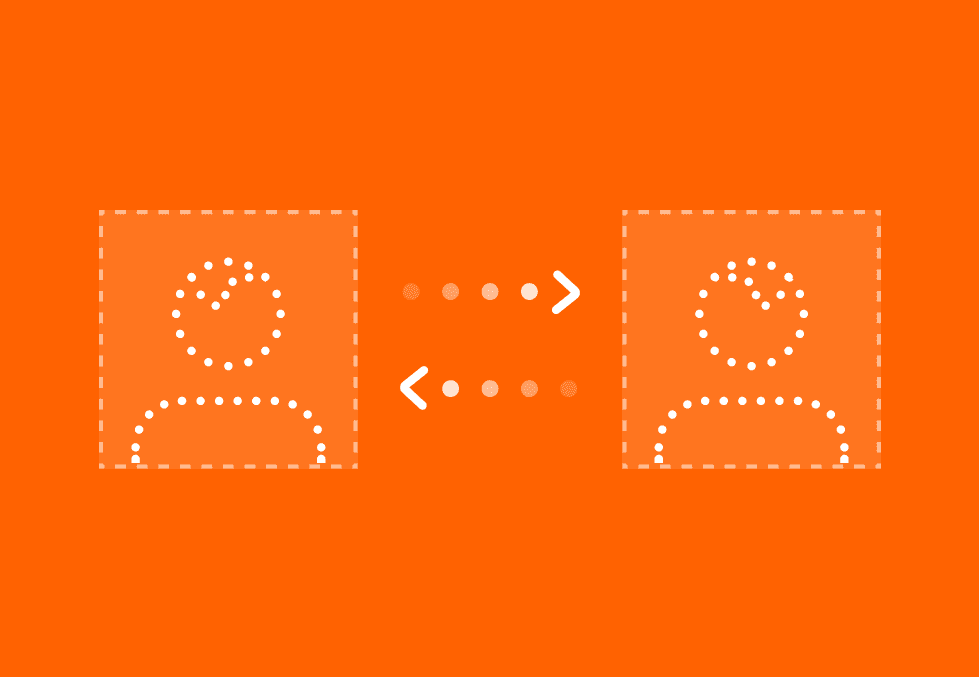
In Anam’s world, it’s synchronous: the user talks, the avatar responds, all in real time.
This conversation opens up entirely new use cases: live customer support, sales training, healthcare advisors, or even therapeutic coaching, any environment where empathy, context, and timing define trust.
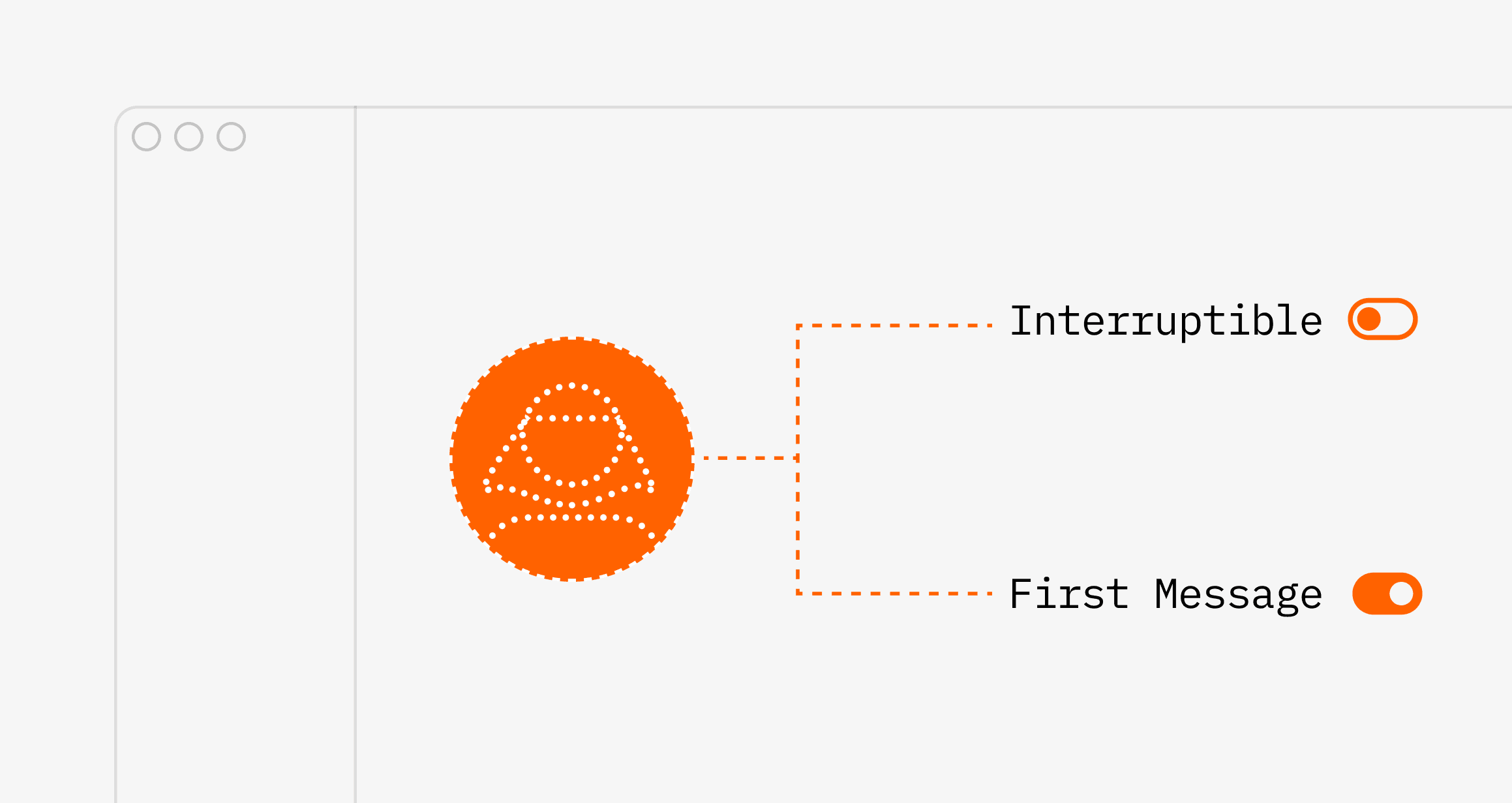
Anam’s system allows real interruptions, laughter, and follow-ups without breaking rhythm. Every millisecond of latency is tuned to preserve natural dialogue.
We enable you to have a conversation with your product.
Designed for Builders
Anam isn’t a content-creation tool. We’re a platform.
Developers can deploy a video agent in three steps:
Request a session token defining avatar, voice, model, and system prompt.
Initialize the Anam JS SDK with that token.
Stream the avatar to any HTML video element.
And in just those five minutes, teams can embed live personas in web apps, e-learning platforms, CRMs, and more.
Anam integrates with any major LLM (OpenAI, Anthropic, Gemini, or even your own private model) via webhook.
Realism and Representation
Anam’s avatars are diverse digital humans and are streamed live. The Avatar and Voice Galleries offer a wide range of appearances, accents, and cultural tones — built with explicit consent and designed for representation, not replication.
Because the experience happens live, the persona adjusts to emotion and context — a small smile, a nod, a glance that acknowledges understanding. Those tiny details turn digital interaction into a genuine connection.
Bringing It All Together
D-ID made it simple to give an image a voice. Anam makes it possible to give that image a mind.
Both have value — one for fast content, the other for enterprise real-time interaction. As AI continues to move closer to human interaction, timing, emotion, and responsiveness matter most.
The future of AI avatars is real-time two-way interaction. Anam’s mission is to make the internet perceptive, expressive, and alive. In other words, to have a conversation with your product.
Learn more about Anam by viewing our documentation, and be sure to schedule a demo with us here.
Explore more articles



© 2026 Anam Labs
SOC 2 Type II report · HIPAA-aligned controls.