7 Best AI Avatar Generators in 2026
Most AI avatar generators follow the same pattern: upload a photo, type a script, get a video back. Whether you'd call it an AI face generator, a talking photo tool, or a digital human creator, the results have gotten remarkably good. Lip sync is tighter, expressions are more natural, and turnaround times keep shrinking.
But there's a split happening in this market that most comparison articles skip over entirely. Some of these tools generate video files. Others generate live, conversational agents. The distinction matters because it determines what you can actually build: a marketing clip, or something a user can talk to.
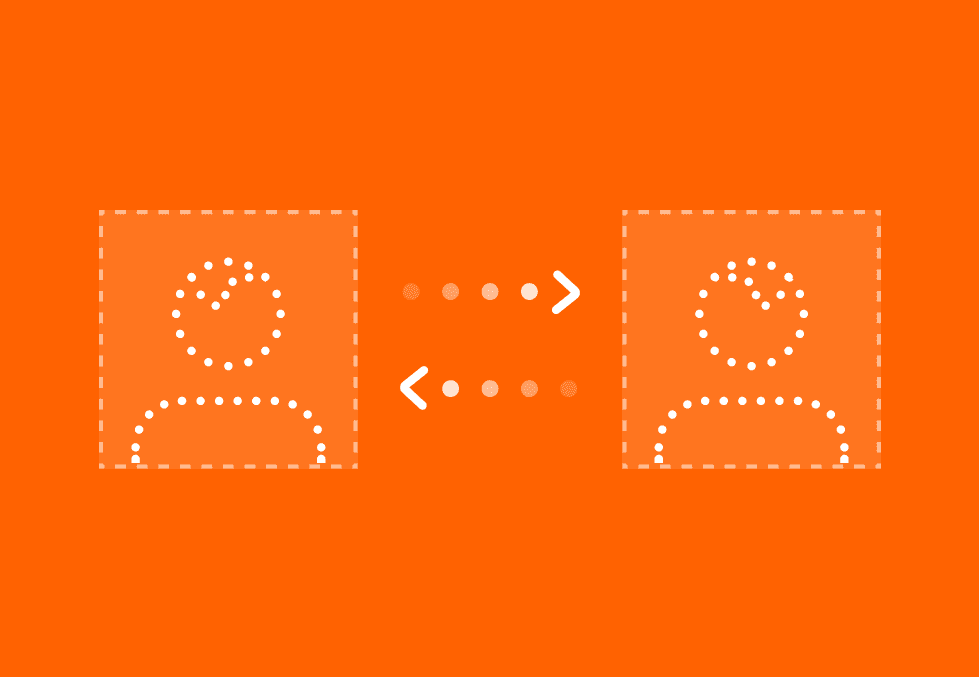
An AI avatar generator turns a single photograph into an animated digital face. Pre-rendered generators produce video files from scripts you type in. Interactive avatar generators produce a live face that listens, thinks, and responds in real time, powered by speech recognition, a language model, and text-to-speech running behind the scenes. Both start with a photo. What comes out the other end is fundamentally different.
This comparison covers both types. The list starts with the strongest pre-rendered option, then the strongest real-time option, because that's the first decision you should make.
How to evaluate an AI avatar generator
Every tool below does something well. The question isn't which is "best" but which matches what you're building.
Pre-rendered vs real-time. Do you need a video file you can edit and distribute, or a live agent that holds a conversation? This is the biggest fork in the road. Pre-rendered tools are better for marketing, training, and content at scale. Real-time tools are better for support, sales, tutoring, and any workflow where the user needs to talk back.
Realism and lip sync. How natural does the face look? How closely does the mouth track the audio? This varies significantly across providers, and small differences in quality affect user trust. If you're building something customer-facing, test each option with real users before committing.
Language support. Most generators support dozens of languages for pre-rendered video. Real-time multilingual support is harder to find. If you're serving a global audience in a conversational context, check whether the tool handles real-time speech in your target languages.
Integration options. Some tools are browser-based studios. Others offer APIs and SDKs for embedding into your own product. If you're a developer building avatar-based features into an app, API access matters more than a drag-and-drop editor.
Pricing model. Video generators tend to charge per minute of output. Real-time generators charge per minute of session time. The economics are different. A 2-minute marketing video costs the same every time. A 5-minute customer support conversation costs per session.
Seven AI avatar generators compared
1. Synthesia
Synthesia is the most established name in AI avatar video generation and the default choice for enterprise L&D teams. Upload a photo or record a short calibration video, and Synthesia builds a custom avatar that looks and sounds like you. SCORM export, compliance tooling, a script editor with built-in AI, and support for over 120 languages.
Where Synthesia pulls ahead is enterprise readiness. Brand kits, approval workflows, SOC 2 compliance, and a mature sales motion that's been refined over years. If you're producing training videos, onboarding content, or internal communications at scale, Synthesia is the safe bet.
Where it stops is interactivity. Synthesia avatars read scripts. They don't listen. They don't respond. There's no microphone on the other end. For one-way content delivery, that's fine. But if your use case involves a user who needs to ask questions, get personalized answers, or have a back-and-forth conversation, Synthesia's architecture doesn't support it. Every video is pre-rendered, which means every interaction follows a script someone wrote in advance.
This is the central trade-off in the avatar generator market right now: the most polished video tools can't do real-time conversation, and the real-time tools can't match the content production workflow. Which brings us to the other side of that divide.
2. Anam
Anam is built for the use cases Synthesia can't touch. Rather than generating video files, we create a live avatar that responds in real time. One photo is all it takes. Upload a single image, clone your voice from just 15 seconds of audio, configure a persona with your choice of LLM and system prompt, and the result is a streaming avatar you can embed directly in your product via our avatar API.
The architecture is real-time pixel generation, not video playback. Every frame is rendered live from our Cara model, so the avatar reacts to what the user says, handles interruptions naturally, and maintains fluid turn-taking. Response times sit under 900ms.
In a 178-participant blind study, independent evaluators rated Anam's avatars highest across visual quality, lip sync, naturalness, and responsiveness when compared against other real-time providers.
Pre-rendered generators use your photo to build an AI talking head that reads scripts. We use your photo to build a conversational agent that listens and responds. Same starting point, completely different output. A customer can speak naturally, interrupt, change direction mid-sentence, and the live avatar keeps up. That's the experience that customer support teams, sales orgs, tutoring platforms, and onboarding flows actually need.
We support 50+ languages, custom avatar creation from a single image with voice cloning, and multiple integration paths via our avatar API, JavaScript SDK, and framework plugins for Pipecat and VideoSDK. Commercial plans start from $12/month with usage from $0.12 per minute, and enterprise tiers are available for teams with higher volume. No pre-rendered video generation, and a developer-oriented setup. For teams building real-time conversational products, that focus is the point.
3. HeyGen
HeyGen's core platform is a video creation studio with over 1,100 stock avatars, video translation tools, and strong template support. For localized marketing videos, it's one of the fastest tools available. They also have a real-time product called LiveAvatar at liveavatar.com, a separate offering focused on interactive agents.
If you need both pre-rendered and real-time from one vendor, HeyGen is the closest to offering that. The caveat is that real-time latency is higher than dedicated providers, and the two products have separate feature sets and maturity levels.
4. D-ID
D-ID pioneered the photo-to-avatar space. Their Creative Reality Studio turns a single portrait into a talking head with minimal effort, and they've expanded into real-time agents, chat-based avatar experiences, and enterprise deployments. The breadth is a strength if you want one vendor for multiple use cases.
Enterprise pricing sits at $299/month for 65 minutes, which adds up at scale. If you need depth in either pre-rendered (Synthesia is stronger) or real-time (Anam is purpose-built for it), the specialists win. D-ID is the generalist.
5. Colossyan
Colossyan positions itself specifically for workplace learning. Photo uploads, a library of 150+ presenters, and the real differentiator: scenario-based branching, quizzes, and SCORM export for LMS integration.
If you're building compliance training with branching paths based on employee answers, Colossyan handles that workflow end to end. The avatars are pre-rendered, so this is scripted content, but the branching makes it feel more responsive than a straight video. Within the L&D lane, it does the job well.
6. Elai
Elai's standout is content conversion. Paste a URL, upload a PowerPoint, or drop in an article, and Elai turns it into an avatar-narrated video. For teams sitting on a library of blog posts and slide decks, this is the fastest path to video content.
Avatar formats range from selfie-based to illustrated to mascot-style. Voice cloning supports 28+ languages, with translation across 75+. The avatar realism is a step behind Synthesia and HeyGen, but for repurposed content where speed matters more than polish, that's an acceptable trade.
7. Deepbrain AI
Deepbrain AI (AI Studios) generates custom avatars from a single photo with fast turnaround. A custom avatar can be ready in minutes rather than hours. The gestures and lip sync are solid, and the platform supports 80+ languages.
What makes Deepbrain different is their conversational AI kiosk product for physical deployments: banks, airports, retail. That hybrid of video generation and in-person deployment is a niche others in this list don't cover. The web-based conversational features are kiosk-focused rather than embeddable, so it's less relevant for product teams building digital experiences.
Which type do you actually need?
The seven tools above split into two categories, and they solve different problems.
If you're producing content at scale (training videos, marketing clips, localized product explainers), the pre-rendered generators are built for that. Synthesia leads the pack, with HeyGen, Colossyan, Elai, Deepbrain, and D-ID each carving out a niche. You write a script, render once, and distribute everywhere.
If you're building something where a user sits on the other end and expects to have a conversation — an AI concierge, a support agent, a tutor — you need real-time generation. The avatar needs to listen, process speech, generate a response, and render the face all within about a second. Pre-rendered tools can't do this because there's no script to play back. The conversation is the script. That's where Anam operates as a real-time interactive avatar platform, and it's a fundamentally different product category despite starting from the same input: a photo.
The market is splitting along this line. Depending on your use case, you may find yourself evaluating tools that don't actually belong in the same comparison. Knowing which side of the split you're on saves you from testing five tools when only two were ever relevant.
FAQ
Can I create an AI avatar from just one photo?
Yes. Every generator on this list creates an AI avatar from a single photograph. With Anam, you upload one photo and record 15 seconds of audio to clone your voice. The quality of the source image matters: a well-lit, front-facing portrait with a neutral expression produces the best results. From there, you configure your persona and the avatar is ready for real-time conversations or, with other tools on this list, pre-rendered video.
What are the best alternatives to HeyGen or Synthesia?
It depends on what you need. If you're looking for a Synthesia alternative for pre-rendered video, HeyGen and Colossyan are the closest competitors with strong template and L&D features respectively. If you're looking for a HeyGen alternative with better real-time performance, Anam is purpose-built for live avatar conversations with sub-second latency. D-ID offers breadth across both categories. The right alternative depends on whether your use case is content production or real-time interaction.
How much does Anam cost?
Anam's commercial plans start from $12/month with usage from $0.12 per minute of session time. Enterprise pricing tiers are available for teams with higher volume or custom requirements. Pre-rendered tools on this list typically charge $20-$100/month for individual plans with per-minute video limits, while enterprise plans run $500-$5,000/month. The economics differ between the two models: a 2-minute training video costs the same to produce regardless of how many people watch it, while a 2-minute real-time conversation costs per session.
Explore more articles



© 2026 Anam Labs
SOC 2 Type II report · HIPAA-aligned controls.